Why Clear Audio Is Critical for Your Corporate Keynote

Sean Walker • January 12, 2026

You’ve spent months perfecting every slide and talking point for your keynote, but if the audio fails, that hard work vanishes instantly. Poor sound quality—whether it’s feedback, static, or muffled voices—turns a powerful message into a frustrating endurance test for your audience. Instead of inspiring your listeners, poor audio forces them to mentally check out before you even hit your second slide. No matter how charismatic the speaker is, clear audio is critical for captivating your corporate keynote audience.


First Impressions and Professionalism

Your event’s audio quality is the very first thing your audience will notice, even before your speaker utters a single word. A crisp, clean sound signals professionalism and competence from the get-go. Conversely, a buzz, hiss, or feedback indicates that you’ve cut corners.


This initial perception shapes the audience’s experience and their view of your brand. Excellent audio makes your speaker sound confident and authoritative. Poor audio, on the other hand, creates an aggravating distraction that suggests a lack of preparation.


Message Clarity

The primary goal of any keynote address is to deliver a message that inspires, informs, or persuades. If the audience has to strain to hear or decipher what’s being said, your core message becomes lost in a sea of sonic mush. Muffled words and inconsistent volume levels force the brain to work harder, causing mental fatigue and frustration.


As a result, audience members will quickly disengage, pull out their phones, or start chatting with their neighbors. The meticulously crafted speech, full of powerful insights, will fail to land because it never truly reached the listeners. Clear audio is the vehicle that carries your message from the stage to the minds and hearts of your audience.


Enhanced Audience Engagement


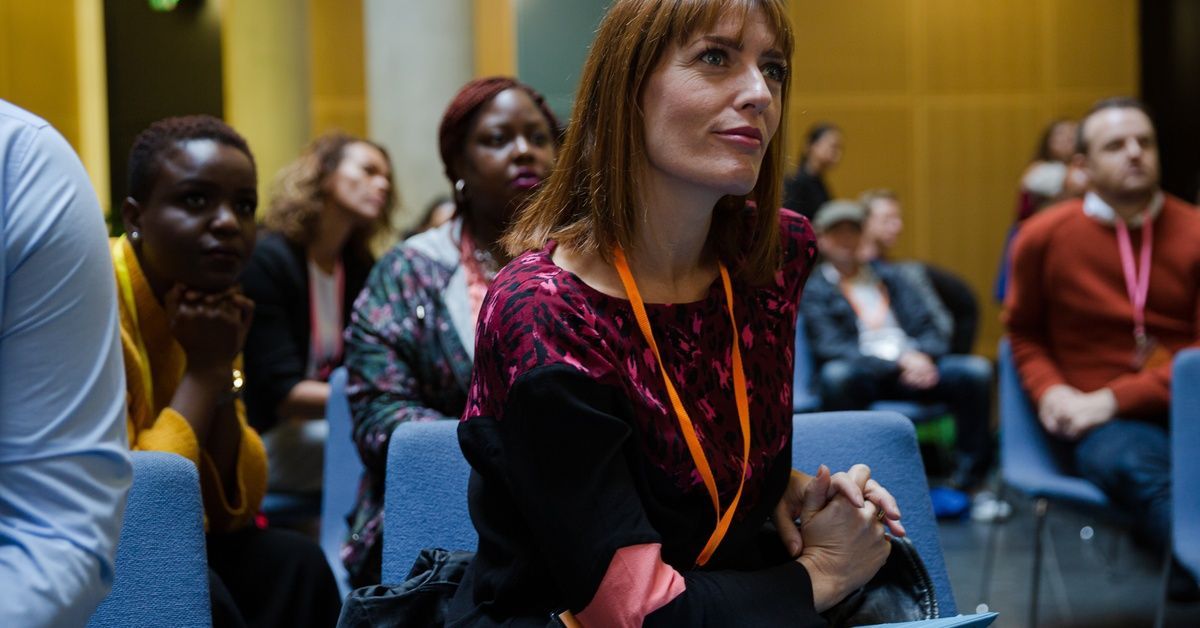
A focused view of a woman listening attentively in an audience. She sits upright with a slight smile on her face.

When an audience can hear every word effortlessly, they can fully immerse themselves in the presentation. They can laugh at the jokes, ponder the questions, and feel the emotional weight of a story. This connection is impossible when they are preoccupied with just trying to hear.


Furthermore, great audio shapes the energy in the space. The speaker’s vocal dynamics, including changes in pitch, tone, and volume, are powerful tools for holding attention. A professional sound system will faithfully reproduce these nuances, keeping your audience hooked from the opening line to the final applause.


Preventing Discomfort

Bad audio is not just an inconvenience; it can be physically uncomfortable for your audience. Unexpectedly loud feedback screeches, pops from a faulty microphone, or jarring volume changes create a hostile listening environment that irritates listeners.


Even subtle issues like a persistent hum or static can be incredibly distracting over the course of a 60-minute keynote. These small annoyances chip away at your audience’s focus and goodwill. A clean audio feed removes these barriers, allowing attendees to relax and concentrate on the presented content.


Accommodating Every Attendee

Your audience consists of individuals with varying levels of hearing ability, and in a large event, some may be seated far from the stage. A properly designed sound system accounts for the room’s acoustics and size, delivering consistent sound to every seat. This inclusivity means that the person in the back row has the same high-quality experience as the person in the front.


Here are some elements that a comprehensive audio setup includes to serve everyone:


  • Proper microphone placement to capture the speaker’s voice clearly.
  • Sufficient speaker coverage to fill the entire venue without dead spots.
  • Delay speakers for larger rooms to sync sound for distant attendees.
  • Mixing consoles for real-time adjustments to maintain balance.


Real-Time Adjustments


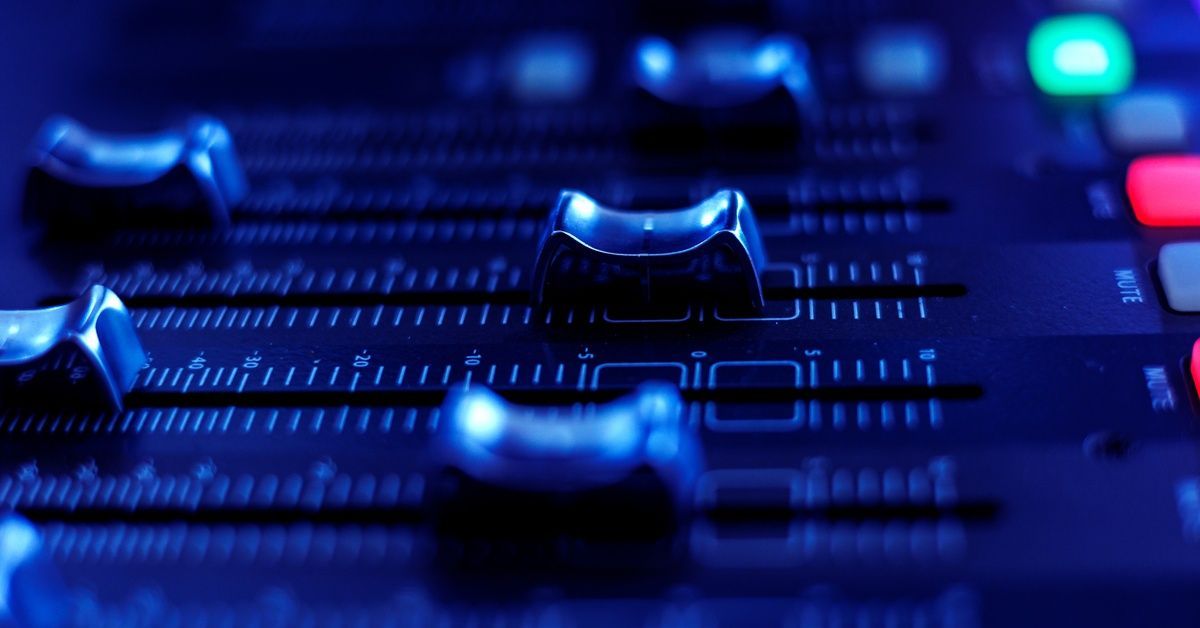
Close-up view of vertical sliding faders on a sound mixing console. Green and red lights are lit up on the board.

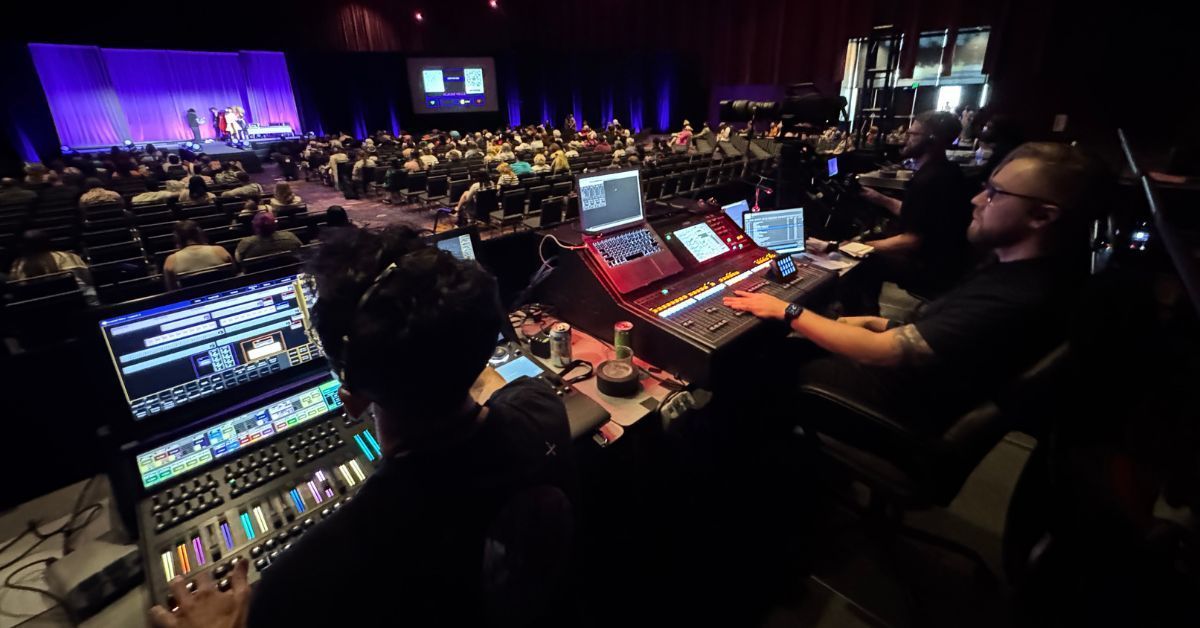
Achieving crystal-clear audio isn’t as simple as plugging in a microphone and turning up the volume. Live sound production involves mixing and amplifying sound for a live audience using specialized equipment. A professional audio engineer knows how to select the right gear, position speakers to avoid feedback, and mix audio levels to adapt to a speaker’s voice.


Technicians conduct thorough sound checks and troubleshoot issues before they ever reach the audience’s ears. They manage everything from wireless microphone frequencies to equalization, preventing technical glitches that can derail a presentation. Their work behind the scenes makes the entire audio experience seem effortless and flawless.


Protecting Your Return on Investment

You have invested a great deal of money into your corporate event, from venue costs and speaker fees to marketing and F&B. Poor audio undermines this entire investment. If your audience leaves without retaining the key takeaways, the event has failed to achieve its objectives.


Consider these ways that poor audio can negatively affect your event’s success:


  • It lowers the perceived value of the event and your brand.
  • It generates negative feedback and poor reviews from attendees.
  • It fails to inspire the desired action from your audience.
  • It diminishes the impact of a well-paid keynote speaker.
  • It creates a poor recording for future marketing use.


Impact on Hybrid and Virtual Events

If you’re hosting a hybrid or virtual event, your audience isn’t just in the room; they are also watching online from around the world. A poor audio feed for your live stream will cause virtual attendees to drop off in droves.


Therefore, your audio strategy must cater to both your in-person and online audiences. This often requires a separate audio mix specifically for the broadcast, one free of room noise and balanced for computer speakers or headphones. Investing in high-quality audio for your hybrid event respects your remote attendees and protects your brand’s reputation.


The Lasting Impression of Quality

Ultimately, you want your keynote to be memorable for all the right reasons: the powerful message, the inspiring speaker, and the flawless execution. Clear audio is critical for creating a lasting impression at your corporate keynote. When your audience hears every word clearly, they can fully absorb the ideas and emotions you’re sharing.


Here’s how live sound production creates an engaging experience:


  • Microphone quality and placement capture the speaker’s voice without distortion.
  • Speaker positioning prevents feedback and evenly distributes sound across the venue for all attendees.
  • Real-time audio mixing balances sound levels to adapt to the speaker’s tone and volume dynamically.
  • Wireless frequency management avoids interference for uninterrupted audio transmission.
  • Equalization (EQ) enhances clarity by fine-tuning frequencies to suit the speaker’s voice and the room acoustics.
  • Sound checks and troubleshooting identify and resolve potential issues.
  • Ambient noise control minimizes distractions by isolating the speaker’s voice from background noise.
  • Backup systems provide a safety net to maintain audio quality in case of technical failures.


Don't let your big event become another victim of bad audio. A poorly managed sound system guarantees audience frustration, kills engagement, and makes your brand look amateur. Professional sound design solves these problems by eliminating distracting feedback, muffled voices, and dead spots in the room. Let Audio Engineers Northwest ensure your message is delivered with the power and clarity it deserves.

By Sean Walker December 4, 2025
Here is the FOH article about our show with Mudhoney and Clay Walker
By Sean Walker October 31, 2025
Pro Tip:
By Sean Walker December 29, 2024
Do you use "One Stop Shops" Thinking they are easier for your events?
By Sean Walker December 29, 2024
Here is an article written by our good friend and trusted Systems Engineer Michael Lawrence about the 50,000 person show we did in Seattle for the 4th of July!
By Sean Walker December 29, 2024
Choosing a Corporate Audio Partner can be hard. Here's how to make it easy!
By Sean Walker December 29, 2024
We have all seen these documents shared as the "Right" way to get quotes for your audio.
By Sean Walker November 8, 2024
Kara, Panther, GSL, KSL, XSL, HDL, Leopard Oh My!
By Sean Walker November 8, 2024
The Best Seattle Audio Companies!
By Sean Walker November 8, 2024
What does corporate AV costs?
October 11, 2024
Poor Gain Structure and Failing to Monitor Audio Levels Step 1 of making sure you are optimized for success is to ask the production team to calibrate their rigs to each other. To do this, the Audio Engineer will send a 1K sine tone at -18 DBFS to the video team. Don't worry if you have no idea what I'm saying, THEY DO! That should be adjusted on their end so that it is ALSO -18 DBFS on the video rig. The number of times that this has NOT been the case is all of them. lol. If this step is not completed properly it's akin to driving down the freeway in your car at full throttle with the brakes on to try and slow down to a regular speed. Madness! Continuously monitor audio levels throughout your event. Adjust as needed to maintain consistent sound quality. Overlooking Soundcheck Never skip soundcheck. Soundcheck is when you and the tech team get to test all equipment thoroughly under show conditions before going live. This helps identify and fix any issues before it's go time, ensuring everything runs smoothly during the event. Poor Microphone Placement and Gain Structure Microphone placement and gain structure is crucial. Same idea as above, but no tone this time. Position mics close enough to capture clear audio with as little background noise as possible, but far enough to avoid distortion. Test different placements during your soundcheck if need be, and be sure your speakers know where the microphones are so they stay on point come show time. Neglecting Backup Plans We cannot stress this enough, always have a backup plan for your event. Is the internet and or hosting service redundant? Is the redundant line with the same provider as the primary? If so, it's NOT redundant! Trying to Wear too Many Hats There is a limit of what you can ask of your tech team and have flawless results. Be sure to ask them if they have enough crew for the level of complication for the event.