
Blog
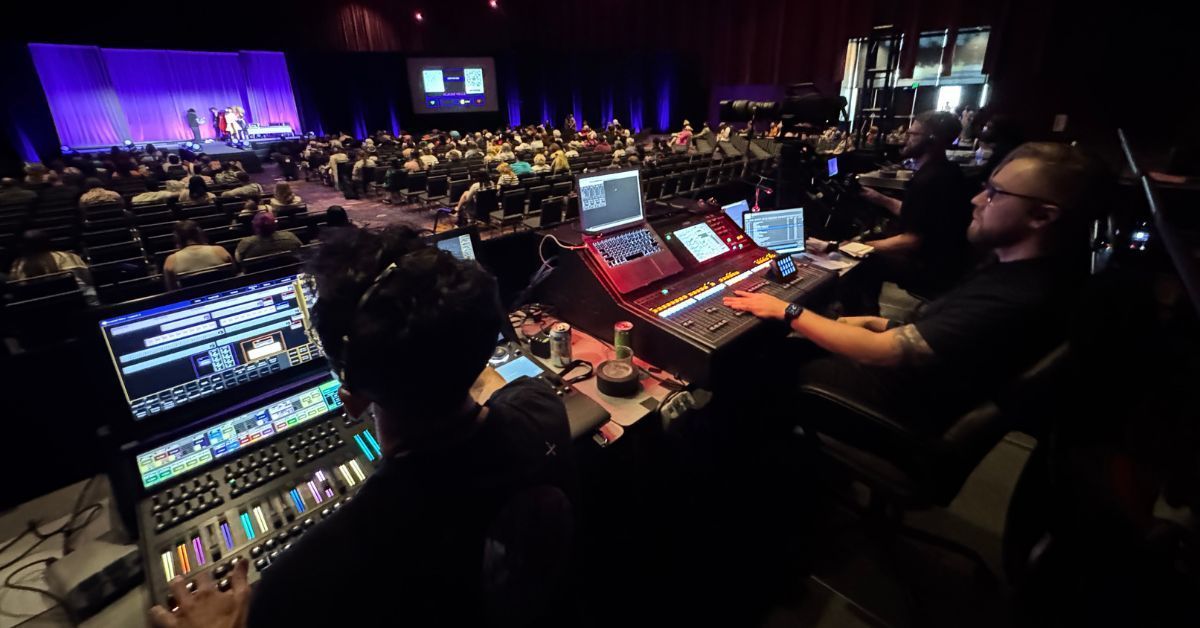
Event Levels Are the Common Language Between Producers/Planners and Technicians. The level isn’t about quality. The level is about complexity, and complexity drives every decision downstream. If the client and production Company agree on the level at the point of the inbound call, the rest of the conversation gets easier. Level one - The bare minimum. Two speakers on a stick. A microphone. It gets set it up, turned on, make sure the customer can use it, and stand by in case they need help. No operator. The Tech might sit in the truck or down the street with their phone on. Level two - Basic attentiveness. Same system with an operator. Somebody behind the console is moving the mic up and down, adjusting levels based on how loud the audience is, giving the presenter confidence that the system is being monitored. Level three - Here we have multiple elements. Speakers on a stick, a microphone on the podium, some lighting, audio playback, maybe a basic video element. Now we need an AV engineer, not an AV tech. The AV engineer is a technical generalist with customer skills who can help the client think through what they’re actually building. Level four - Here is where specialists start to show up. We’re past the point where a single AV generalist can carry the show. We need an audio specialist, a lighting specialist, a video specialist, and someone to coordinate among them. That coordinator is a technical director, even when we don’t call them that on the org chart. A level four show has technical rehearsals. We rehearse for the crew. We make sure the rigging points are shared cleanly, the truss moves the way it needs to, and the lighting cues fire when the video plays. We’re choreographing the technology to itself. Level five - Now we add talent rehearsals. We rehearse for the client. The presentation becomes the star, and we are the tools that help the client deliver. Level five is also where AV technicians stop being a good idea and Specialist Engineers are the norm. You don’t want a level-2 technician walking up to set a microphone or trying to call cues here. People with twice the expertise start to matter at this level. Level six - A level five with a professional show caller. Higher standards. Better crew. The caller is either someone you hired or someone we hired, but either way, they’re not the project manager moonlighting between phone calls. They’re a specialist whose only job that week is to call the cues. That’s when crew quality becomes the difference between a great show and a forgettable one. Anybody can hit the cue if they call it themselves. Hitting the cue every time someone else calls it is a level six result. Levels seven, eight, and nine push deeper in the same direction. Bigger crews. More choreographed transitions. Tighter margins on the technical execution. Hire the team that supports the level and the rest follows. Lead With the Level That's the move to get on the same page and get the best results and best deal. Thanks to Tom Stimpson for the levels and their descriptions.

You need $100,000 for audio production. Finance proposes $60,000. The difference matters—not because of equipment specs, but because of what gets omitted. We've defended AV budgets for Fortune 500 events for 12 years. The conversation works when you translate technical requirements into business terms: risk mitigation, brand protection, and ROI assurance. The Budget Difference A $60,000 quote versus a $100,000 quote for the same 400-person town hall typically breaks down as follows: Line Item Lower Quote ($60K) Higher Quote ($100K). Impact Wireless Mics. 4 units, single receivers. 8 units, diversity receivers. Coverage gaps, dropout risk Audio Engineer 1 technician, part-time. Lead engineer + system tech Tuning quality, problem response Redundancy. None Redundant Network, backup mics Single point of failure eliminated RF Coordination Basic scanning Full spectrum analysis, licensed channels. Interference risk managed Pre-Event Planning Phone call Site survey, load calculations, Run of Show Unknowns become known Guarantee Standard terms Flawless or We Waive the Fee Risk transfer What the CFO Cares About Finance doesn't need to understand frequency response curves. They need to understand: Reputation risk: A 3-second audio dropout during a CEO keynote generates Slack threads, internal emails, and vendor recriminations that last months. Hidden costs: When the lower quote requires day-of add-ons (extra mics, emergency gear rental, overtime crew), the $60,000 becomes $78,000 before you're done. Vendor accountability: One company manages the entire audio chain. When issues arise, there's one phone number to call, not three subcontractors passing blame. Our Approach We produce 150+ corporate events annually in the Pacific Northwest. The patterns are consistent: 23% of lower-budget AV vendors require mid-event scope increases 18% of events using economy packages experience audio interruptions lasting 30 seconds or longer 0% of events using our standard packages have experienced a guarantee invocation in 2025–2026 The Conversation Script When discussing this with finance, lead with risk, not specs: "This budget protects three things: the CEO's message clarity the company's professional reputation the event's schedule adherence. The $40,000 difference spreads across redundancy planning, RF coordination, and guarantee-backed execution." Next Steps If you're evaluating AV vendors for Q3/Q4 events, request our Technical Scope Verification checklist. It lists the 12 items that separate complete quotes from incomplete ones. We share it with all prospects at no charge.
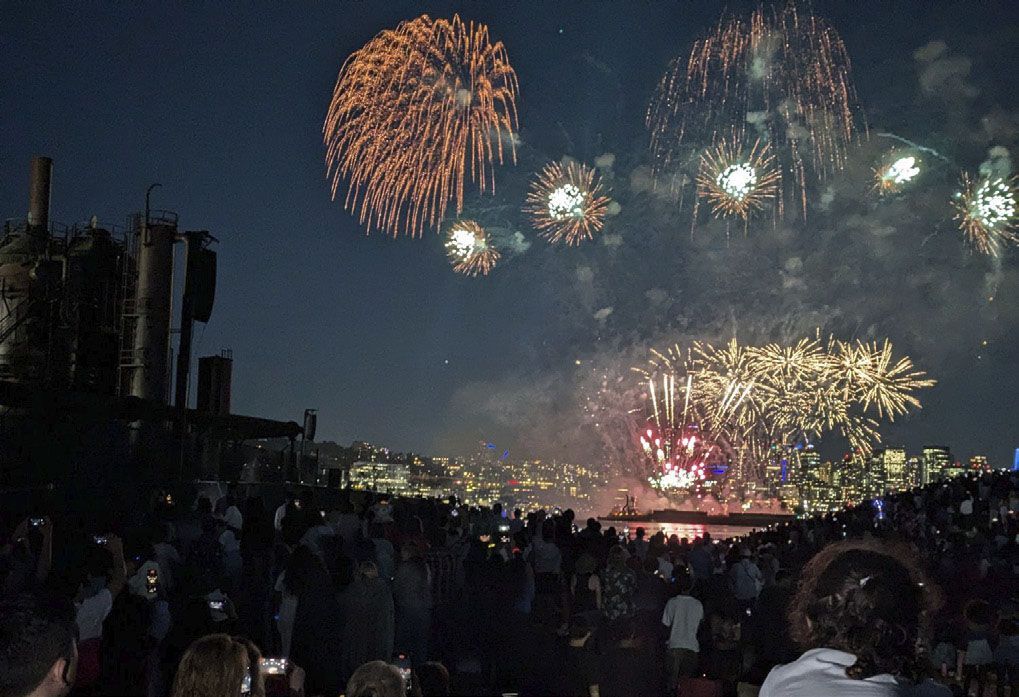
In 12 years of producing corporate events in the Pacific Northwest, we've never had to invoke our "Flawless or We Waive the Fee" guarantee. Not once. That's not because nothing has ever gone wrong at an event. It's because the things that go wrong are handled before the audience notices. Redundancy, preparation, and experienced crew make the difference. Here's what goes into preventing issues before they become problems. Redundancy Is Built In Every event we produce includes multiple layers of protection: Layer System What It Prevents Power Dual-feed capability with UPS switchover Equipment shutdown during circuit interruptions Audio Dual-receiver diversity on all wireless mics. Signal dropouts from interference or body positioning Video Backup switcher and signal distribution Display failure during critical presentations Network Primary broadband + cellular fail over Live stream interruption during hybrid events Crew Lead technician + system tech on-site Single-point failure in personnel coverage Pre-Event Preparation Protocol The work that prevents failures happens before the event begins: Phase Timeline Activity Purpose Site Survey. 14 days out Venue walk through, power audit, RF scan Identify potential issues before they exist Gear Prep 3 days out Equipment pull, bench test, firmware check Verify every unit functions before load-in System Design 7 days out Computer-modeled speaker coverage map. Eliminate dead spots and coverage gaps Crew Briefing. 2 days out. Run of Show review, role assignment Every crew member knows their responsibilities Sound Check Event day Full system test. Confirm performance before doors open RF Coordination: The Invisible Work Wireless microphone interference is the most common issue at corporate events. Most attendees never notice it because competent audio engineers resolve it before the event starts. Our RF coordination process: Pre-show frequency scan within 2 hours of doors opening Full spectrum analysis identifying occupied channels from broadcast TV, emergency services, and other venue RF users Frequency coordination locking all wireless mics to verified clear channels Active monitoring during the event with spectrum analyzer running at FOH position At a 50,000-person Fourth of July celebration in Seattle, we managed wireless microphones across three stages in one of the most RF-dense environments in the Pacific Northwest. Zero interference incidents. That's not luck — it's hours of pre-show frequency mapping by a systems engineer who understands the RF environment. What to Ask Your AV Vendor When evaluating whether a vendor can prevent issues (not just react to them): "What's your pre-event preparation process?" Look for: Site survey, gear testing, crew briefing, RF scan Red flag: "We show up and set up" "How do you handle wireless microphone frequency coordination?" Look for: Pre-show scanning, spectrum analysis, licensed frequencies Red flag: "We just turn them on and pick a channel" "What redundancy is built into your standard package?" Look for: Dual receivers, backup mixers, UPS power, spare inventory Red flag: "We have extra stuff in the truck" "What's your track record?" Look for: Specific numbers, years in business, guarantee history Red flag: Vague claims about "experience" "Can you share your Run of Show template?" Look for: Documented timeline, crew assignments, contingency notes Red flag: "We keep it in our heads" The Track Record Metric Value Years in business 12. Corporate events produced 150+ Guarantee invocations 0 Average crew experience 10+ years Standard protocol Computer-modeled planning, RF coordination, dual-receiver diversity Prevention isn't a marketing claim. It's a documented process applied to every event. The result speaks for itself: 150+ corporate events, zero guarantee invocations.
You're hosting a town hall in Seattle, London, and Singapore. The CEO speaks once. The feeds must sync perfectly. If the audio lags in London, the Singapore team thinks the connection is broken. If the feedback loops in Singapore, the Seattle team hears it. You're managing chaos across three continents. You know the IT team will blame you if the audio fails. You know the regional leaders will complain if they can't hear. You know the CEO will notice if the feeds aren't synced. We've managed global events for Fortune 500 companies. We know the latency, the bandwidth, the coordination. We don't just set up local systems—we orchestrate a global network. The Plan: Central Command: We establish a master control hub to monitor all sites. Latency Testing: We test the network before the event to ensure sync. Local Teams: We deploy certified teams at every site, backed by our central command. Success: The CEO speaks once. Everyone hears perfectly. The feeds are synced. You're the producer who made global feel local. Failure: The feeds lag. The audio echoes. The CEO looks confused. You're the producer who couldn't manage the complexity. Don't let geography break your event. Book our global event coordination service.
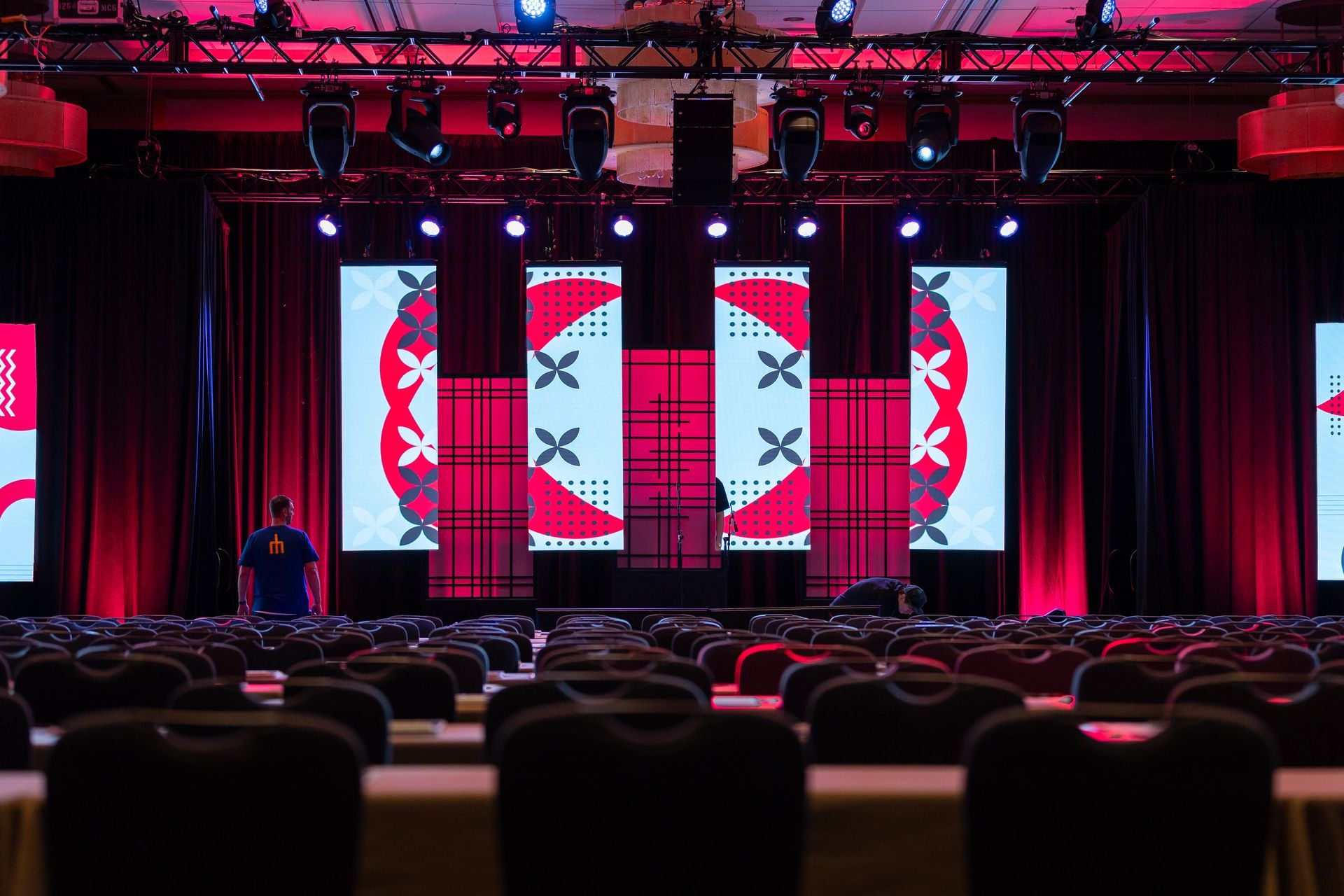
Generate buzz and momentum with a well-designed event. Purposeful lighting and sound enhance speeches, visuals, and transitions to make the maximum impression.

Strengthen your town hall with audio that keeps every voice clear and consistent. When sound falls short, even strong messages can lose their impact.
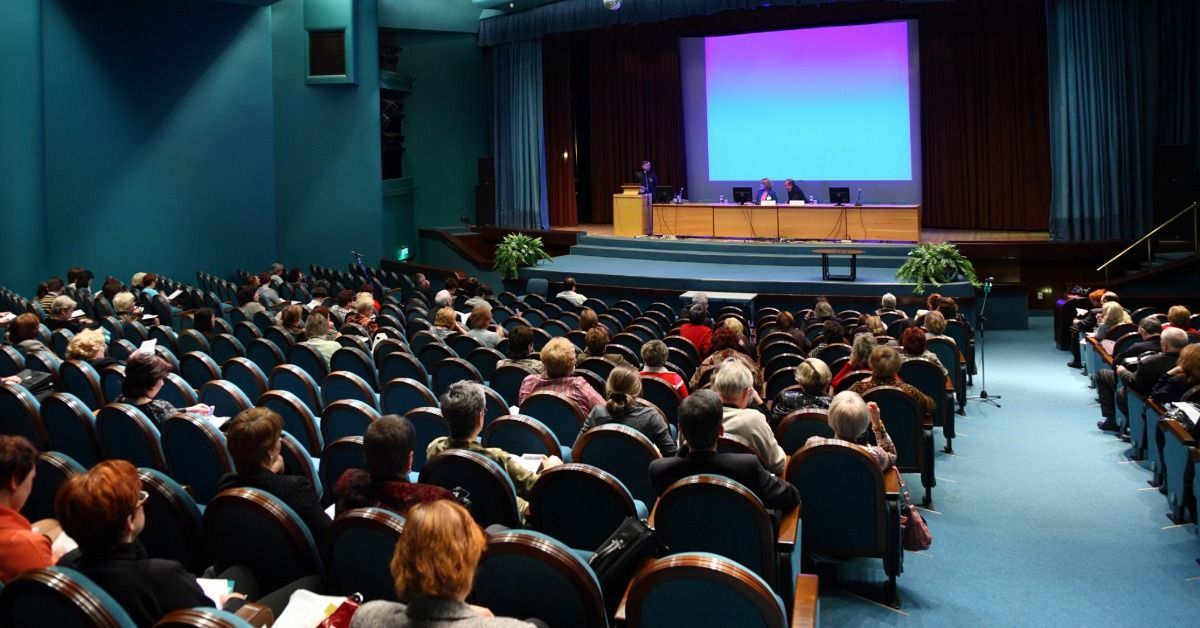
Cheap AV is built on poor tradeoffs that can derail your schedule and distract your audience. See how AV shortcuts can undermine your conference and reputation.
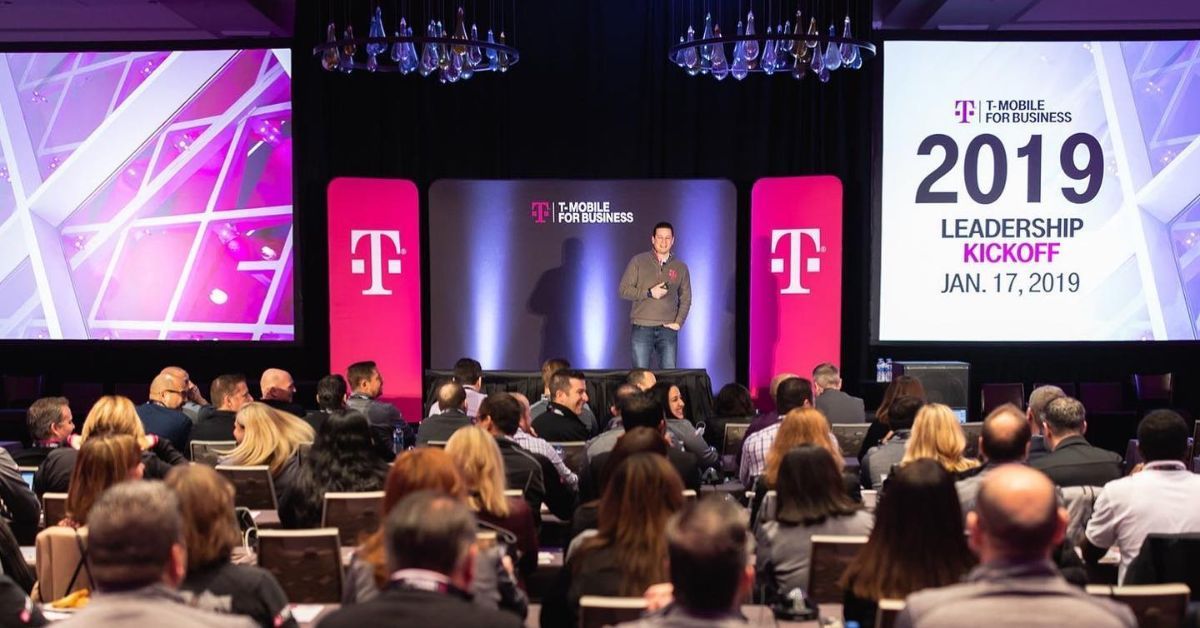
Prevent microphone malfunctions at corporate events with essential tips on setup, testing, and management to ensure clear communication and professionalism.
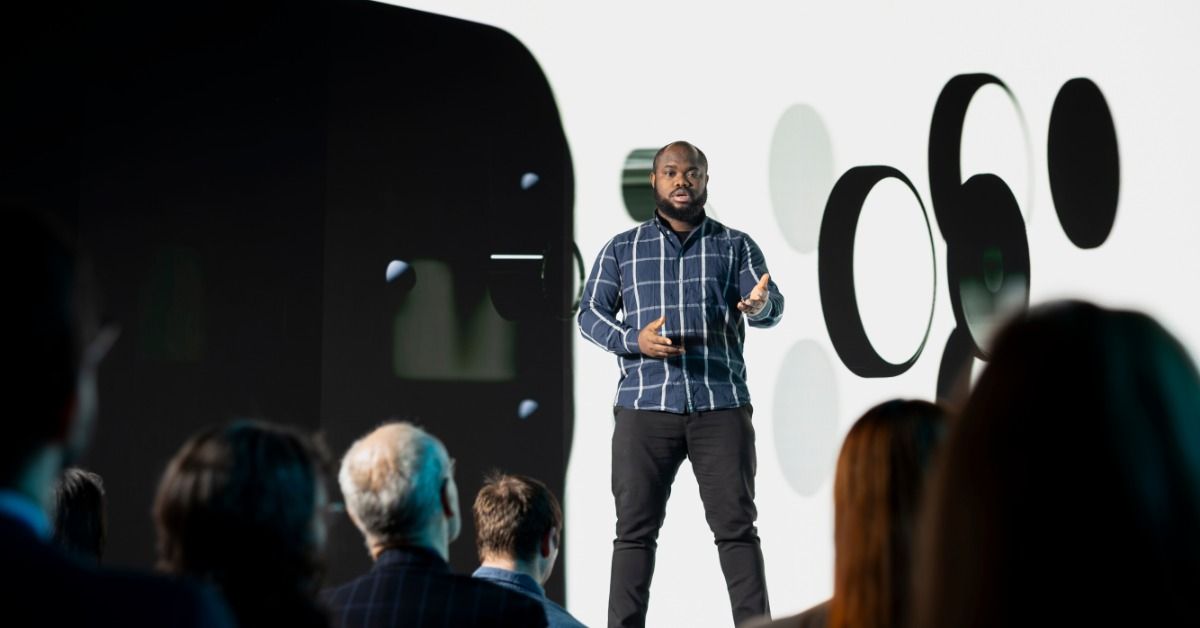
Live sound production eliminates distractions and enhances clarity. Connect with your audience at your corporate keynote with professional audio.

Pro Tip:
