How to Speak AV Tech - The Ten Levels of Events
Event Levels Are the Common Language Between Producers/Planners and Technicians.
The level isn’t about quality. The level is about complexity, and complexity drives every decision downstream. If the client and production Company agree on the level at the point of the inbound call, the rest of the conversation gets easier.
Level one -
The bare minimum. Two speakers on a stick. A microphone.
It gets set it up, turned on, make sure the customer can use it, and stand by in case they need help. No operator. The Tech might sit in the truck or down the street with their phone on.
Level two -
Basic attentiveness.
Same system with an operator. Somebody behind the console is moving the mic up and down, adjusting levels based on how loud the audience is, giving the presenter confidence that the system is being monitored.
Level three -
Here we have multiple elements. Speakers on a stick, a microphone on the podium, some lighting, audio playback, maybe a basic video element.
Now we need an AV engineer, not an AV tech. The AV engineer is a technical generalist with customer skills who can help the client think through what they’re actually building.
Level four -
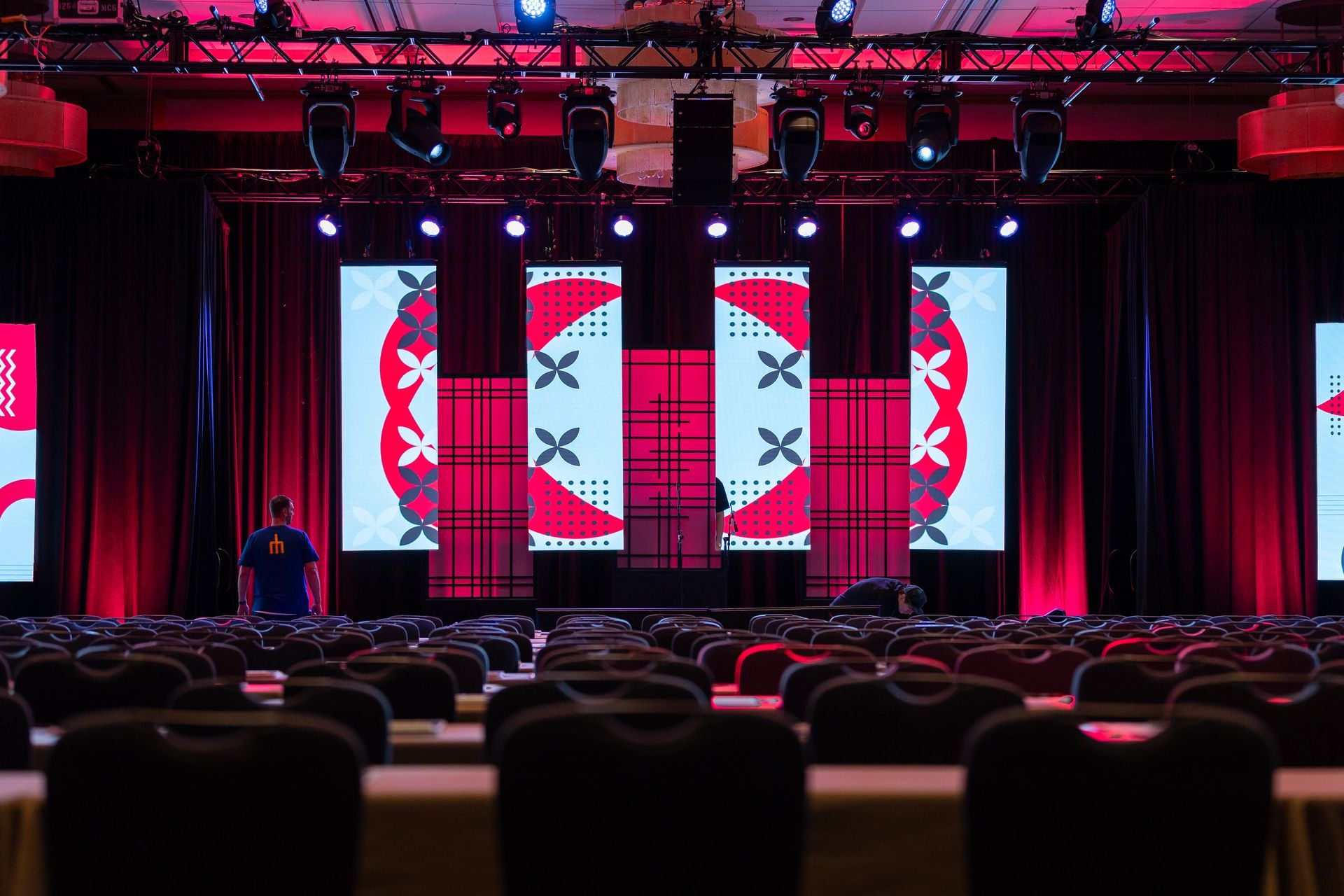
Here is where specialists start to show up. We’re past the point where a single AV generalist can carry the show.
We need an audio specialist, a lighting specialist, a video specialist, and someone to coordinate among them. That coordinator is a technical director, even when we don’t call them that on the org chart.
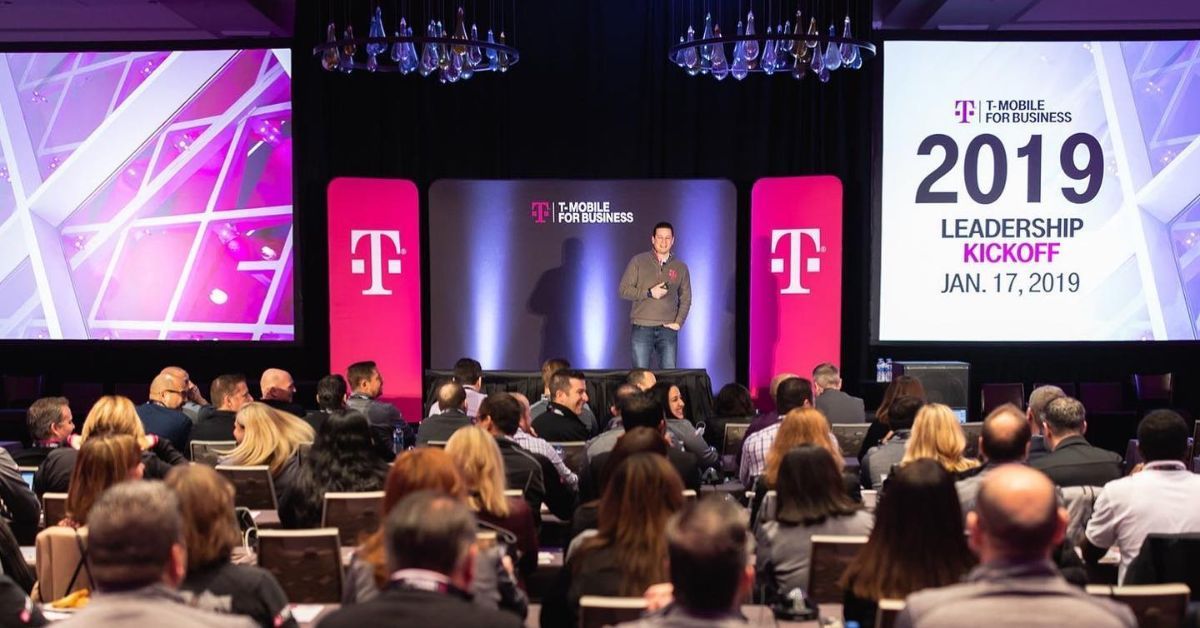
A level four show has technical rehearsals. We rehearse for the crew. We make sure the rigging points are shared cleanly, the truss moves the way it needs to, and the lighting cues fire when the video plays.
We’re choreographing the technology to itself.
Level five -
Now we add talent rehearsals. We rehearse for the client. The presentation becomes the star, and we are the tools that help the client deliver. Level five is also where AV technicians stop being a good idea and Specialist Engineers are the norm. You don’t want a level-2 technician walking up to set a microphone or trying to call cues here. People with twice the expertise start to matter at this level.
Level six -
A level five with a professional show caller. Higher standards. Better crew.
The caller is either someone you hired or someone we hired, but either way, they’re not the project manager moonlighting between phone calls. They’re a specialist whose only job that week is to call the cues.
That’s when crew quality becomes the difference between a great show and a forgettable one. Anybody can hit the cue if they call it themselves. Hitting the cue every time someone else calls it is a level six result.
Levels seven, eight, and nine push deeper in the same direction. Bigger crews. More choreographed transitions.
Tighter margins on the technical execution. Hire the team that supports the level and the rest follows.
Lead With the Level
That's the move to get on the same page and get the best results and best deal.
Thanks to Tom Stimpson for the levels and their descriptions.