The Hidden Costs of Choosing Cheap AV for Conferences
When budgets tighten and timelines shrink, a low AV quote can feel like a win. Yet conference audio and video don’t behave like a simple line item, because one weak link can ripple across the whole run of show. The hidden costs of choosing cheap AV for conferences show up in strained schedules, distracted audiences, and speakers who lose confidence on stage. Ultimately, the smartest move is to weigh the bid against what it takes to deliver a smooth, professional experience.
Budget AV Only Looks Like Savings
Cheap AV packages usually cut costs in predictable places: fewer techs, older gear, minimal prep, and little redundancy. That combination might look fine on paper, but it feels fragile when you factor in real-world variables like room acoustics, Wi-Fi traffic, and last-minute agenda changes.
Conference audiences judge the event by what they hear and see, not by how efficient the vendor’s quote looked. When you compare providers, look for a team that shows up with a clear plan for every cue and transition.
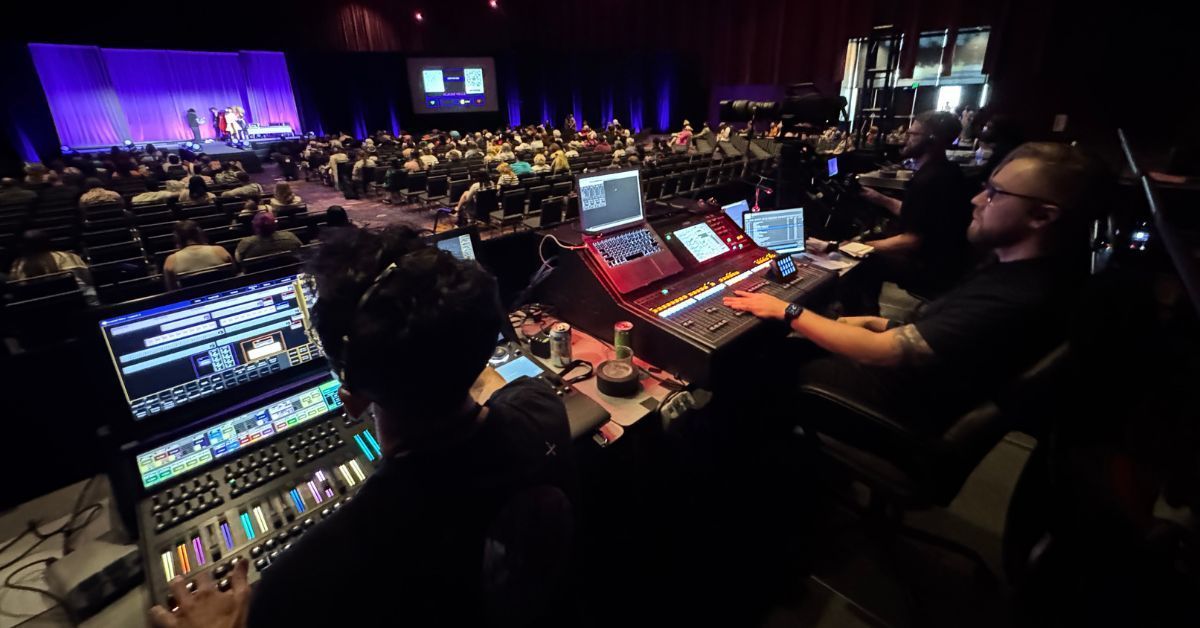
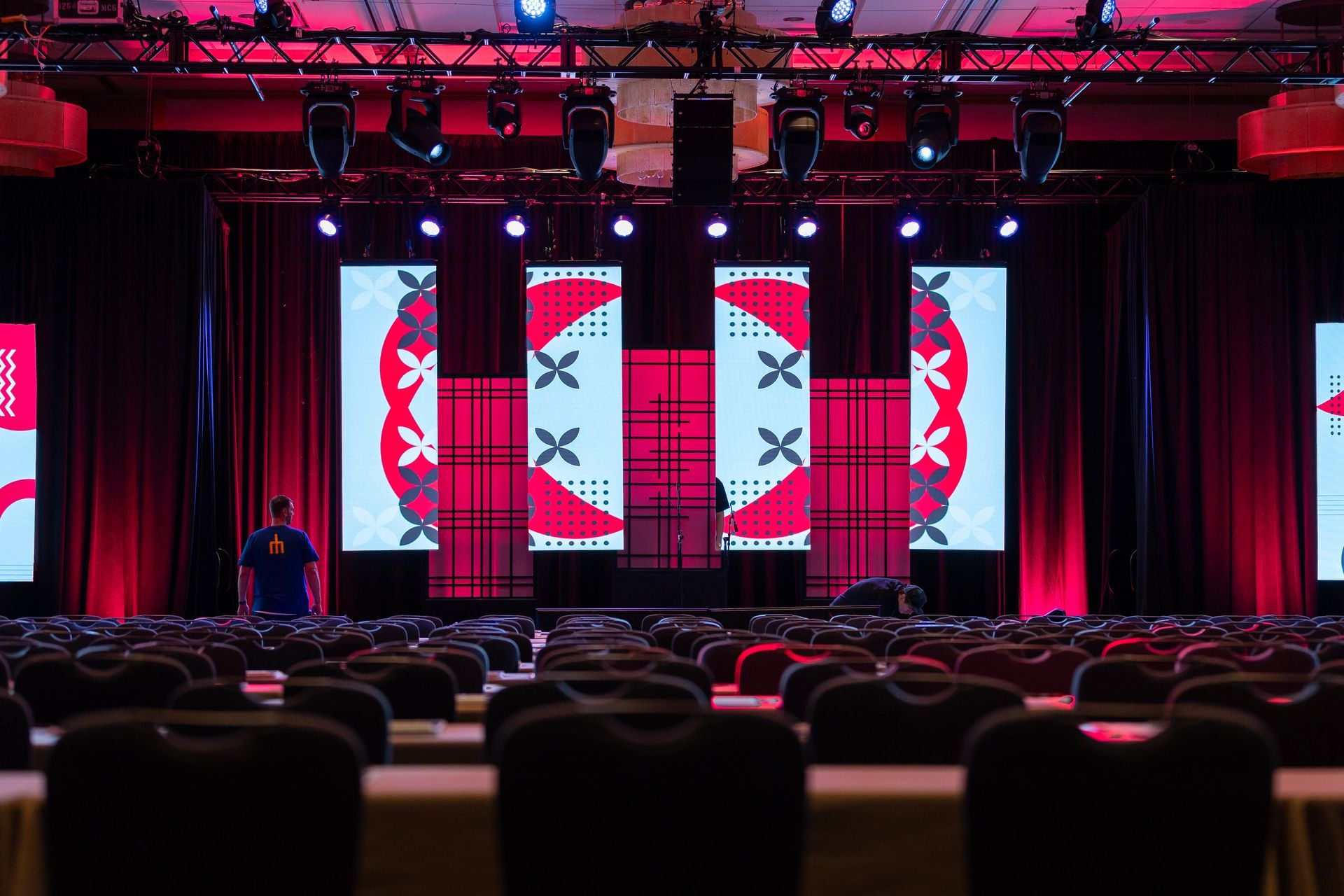
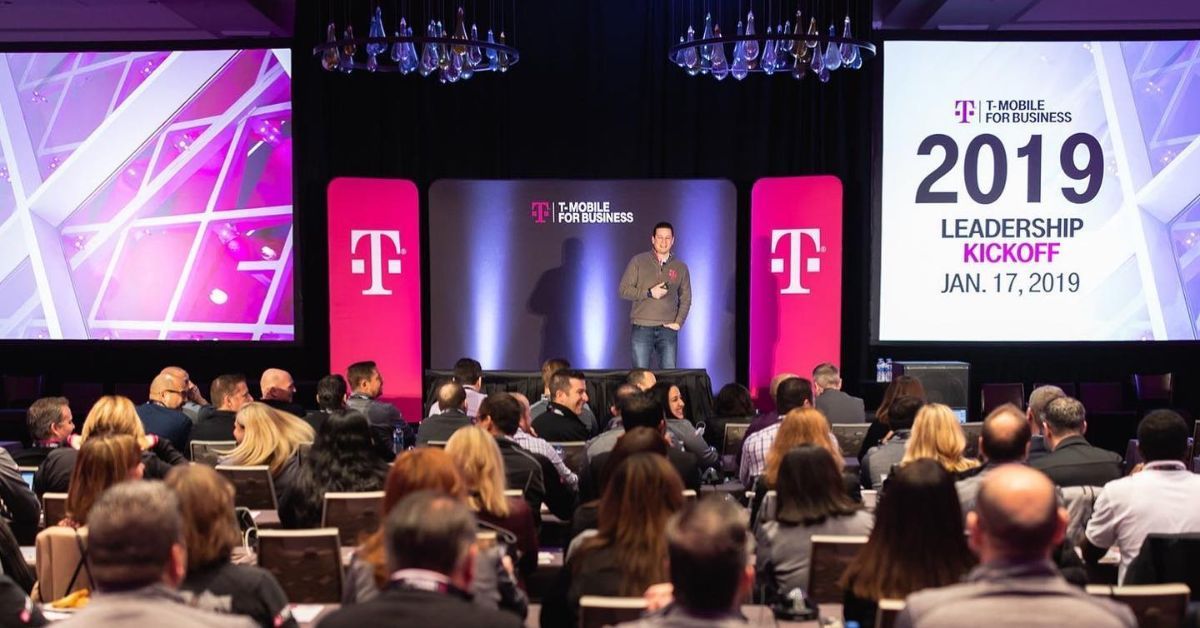
Specialist support can include experienced crews, clear communication, and conference-ready systems that protect your reputation. Your audio-visual setup should keep presenters looking polished without stealing attention from the content.
Audio Failures Distract Everyone
Bad sound doesn’t just annoy people; it drains the room’s focus in real time. When a keynote line drops, the audience stops listening and starts wondering what else will break. Moreover, speakers feel it immediately, and their delivery gets tighter and less natural when they can’t trust the monitors.
The Effect of Room Acoustics
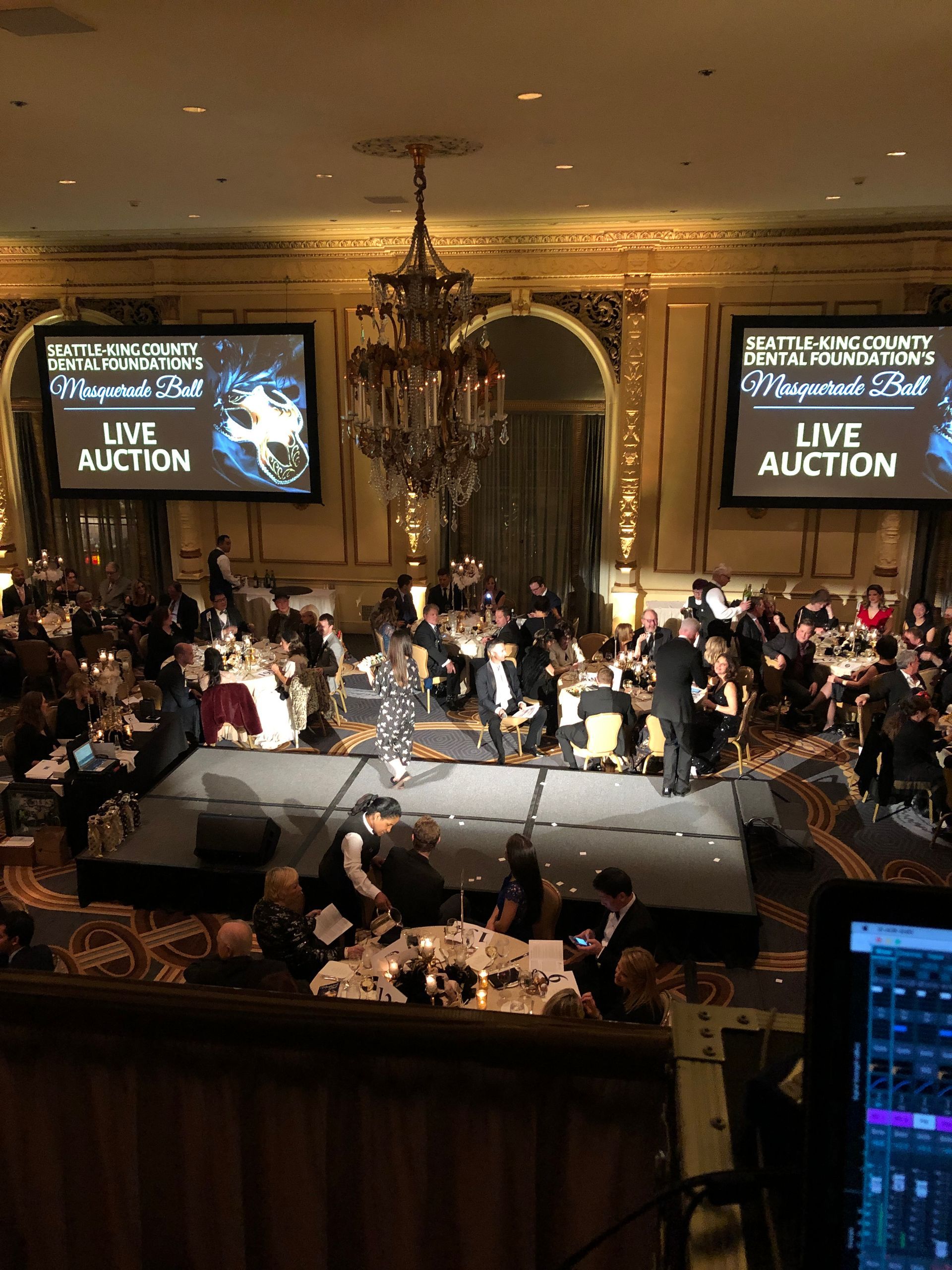
Every room affects sound differently. Some rooms boost low-end rumble, while others make speech sound harsh or muddy. Hotel ballrooms and conference centers bring reflective walls, high ceilings, and noisy HVAC into the mix. Those conditions push cheap speaker boxes and rushed tuning past their limits.
If your agenda includes panels, Q&A, or audience mics, your audio needs become more complex. A bargain setup might lack the right microphones, the right number of mixes, or the right operator attention to keep levels steady.
Your live sound engineer should:
- Tune speakers to reduce boomy or piercing frequencies.
- Adjust levels so speech sounds natural and clear.
- Compensate for echo and reflections.
- Balance tone so voices cut through background noise.

Wireless Problems Create Chaos
RF stands for radio frequency, the invisible signal that wireless microphones and other devices use to transmit audio through the air. Crowded or poorly managed RF can cause dropouts, static, or interference that interrupts your event.
Conference venues stack radios on top of radios—handhelds, bodypacks, comms, hearing assist, Wi-Fi, and sometimes neighboring events. Therefore, you want frequency coordination and proper scanning, not a “set it and forget it” approach.
Solving Radio Frequency Congestion
Cheap providers may bring fewer wireless channels than your agenda truly needs, then “solve” it by sharing mics between speakers. That workaround burns time during transitions and increases handling noise, missed cues, and awkward stage moments.
A quality AV team coordinates clean frequencies and assigns channels based on your schedule before doors open. Then they monitor RF throughout the event and keep backup mics ready, so a crowded spectrum doesn’t derail your message.
Video Glitches Undermine Credibility
Video problems show up as tiny delays that pile into big frustrations: a video feed that drops for a second, a clicker that lags, or a screen that flashes black mid-slide. Those moments pull attention away from the message and toward the failure. Moreover, your speakers lose momentum when they have to stop for troubleshooting.
A cheaper package may include consumer-grade switchers, questionable cabling, and minimal testing. Once a connector wiggles loose or an adapter fails, the crew scrambles instead of executing. Consequently, the audience remembers the glitch more vividly than the best line of the talk.
Inexperienced Crews Slow Everything
A conference runs on timing, cues, and clean handoffs between teams. When techs lack event experience, small choices create friction all day. Additionally, an inexperienced crew may miss the difference between “loud” and “clear,” which matters far more for speech.
An experienced crew moves faster and solves issues without anyone noticing. That gives you the space to concentrate on your speakers, your audience, and the quality of the information you’re sharing.

Missing Redundancy Raises Stakes
Redundancy means building safety nets into your audio-visual setup. A second laptop, backup microphones, alternate signal routes, and dedicated support staff all protect the flow of your event. Those layers keep small technical issues from becoming visible problems.
When cheap AV skips those safeguards, minor glitches turn into public interruptions. You scramble to reset while your schedule slips. Your attendees feel the disruption immediately, and your credibility takes the hit.
Hidden Fees Inflate Final Costs
A low quote may omit essentials that later appear as add-ons on the final invoice. Labor overages, last-minute gear swaps, and delivery constraints can push costs upward fast. Additionally, you may pay in time—extra meetings, extra approvals, and extra coordination to patch gaps.
This list highlights common “extras” that tend to appear when the base package stays too bare-bones:
- Additional labor for early calls or late strikes.
- Extra wireless channels requested after rehearsals.
- Rush fees for same-day equipment changes.
- Power distribution or cabling beyond the minimum.
- On-site troubleshooting time billed as overtime.
After those charges surface, the “deal” stops feeling like a deal. Meanwhile, your team still carries the stress of uncertainty because the vendor has already shown a pattern of under-scoping. A straightforward scope can save you money and prevent unnecessary stress.
Brand Reputation Takes a Hit
One of the highest hidden costs of choosing cheap AV is risking your reputation. Conference failures don’t stay in the room; people talk about them in Slack threads, debriefs, and vendor evaluations. When executives struggle to hear, stakeholders question the event’s professionalism, even if the agenda holds strong. Moreover, agencies and producers feel that reputational weight because clients remember outcomes, not excuses.
Decision-makers notice friction, especially when it interrupts a high-visibility moment. Additionally, repeated stumbles erode trust in the production plan. That can put your future budgets under a microscope.
Technical Execution Supports Your Goals
If your goal involves lead generation, internal alignment, or brand perception, AV quality directly supports the outcome. Smooth audio visuals keep conference speakers relaxed and the room locked onto your message. When evaluating sound companies in Seattle , look for a team that can protect your time and present your message crystal clear. When you invest in experienced techs, thoughtful planning, and reliable systems, you buy breathing room during the moments that matter most.