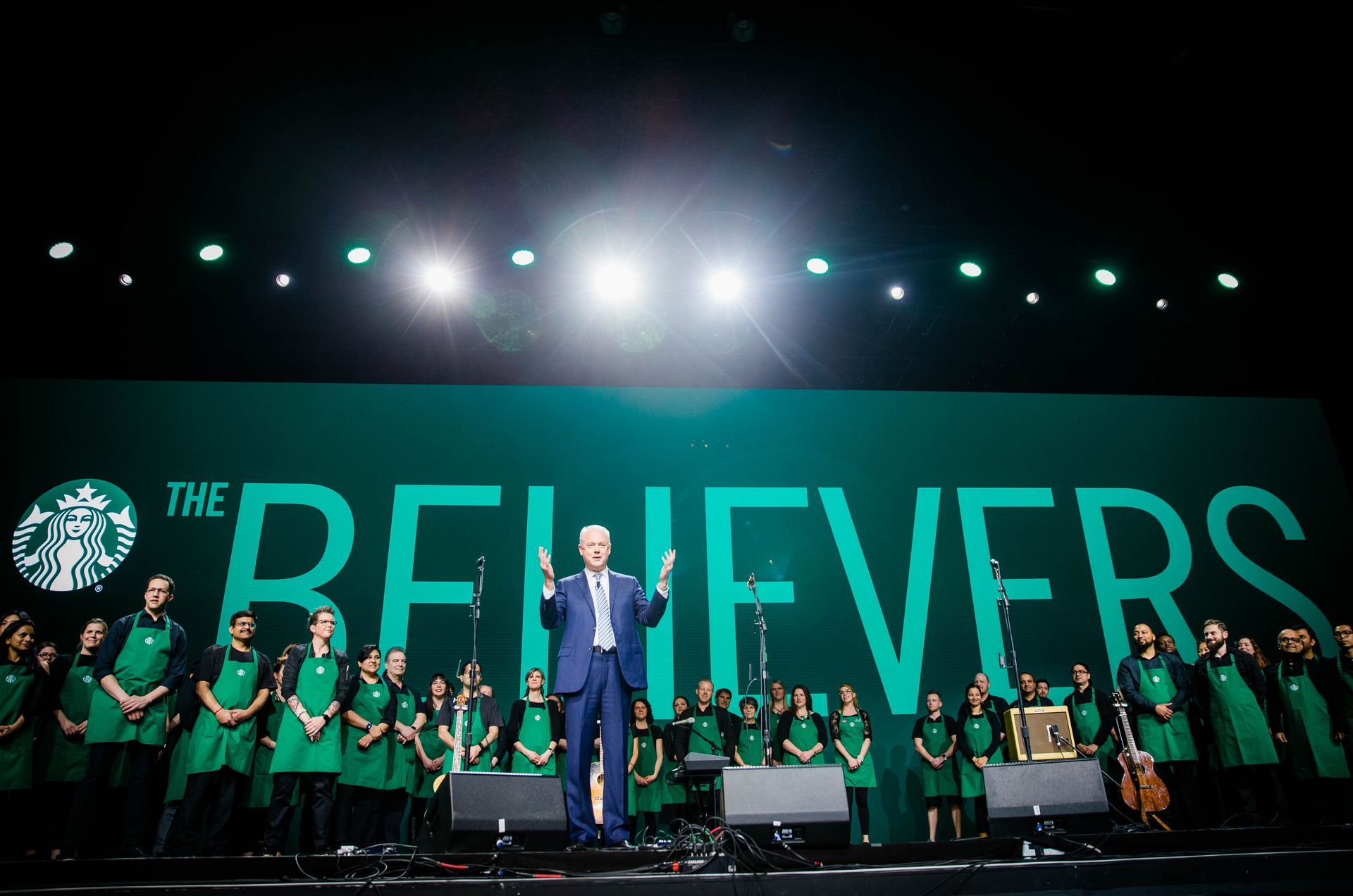
Lighting & Sound Tips for Impressive Product Launches
After all the planning, testing, and behind-the-scenes work, the moment has finally arrived to introduce your product. This is your chance to create excitement for what you’ve built. The event should feel smooth and engaging from the opening moment to the final words. Whether you want guests to spread the news or place an order, the right lighting and sound will make your product launch more impressive.
Consider the Reveal
Your launch should build toward a moment people can instantly understand and remember. A sleek product intro may call for a clean stage look and a tight audio cue, while a bold launch may need more dramatic visual contrast. The audience will follow the story more easily when the room, the timing, and the visuals all point to the same moment. Once you know the feeling you want, the production choices become much easier to make.
Several audiovisual design elements shape how the reveal lands:
- Lighting intensity and contrast.
- Cue timing for sound and lighting.
- Stage layout and sightlines.
- Speaker and microphone placement.
- Video screen content and brightness.
- Walk-on music or reveal audio.
- Product placement on stage.
- Color palette and visual consistency.
Rehearse Every Major Cue
A launch feels polished when each transition lands at the right time. That includes speaker walk-ons, intro music, video playback, lighting shifts, and the product reveal itself. Rehearsal gives you a chance to smooth out those moments before the audience arrives. It also helps your team spot gaps that may not have been apparent in earlier stages.
A full cue rehearsal also builds confidence for everyone involved. Presenters feel more relaxed when they know where to stand and what happens next. As a result, the event has a steadier rhythm from the first welcome to the final applause.
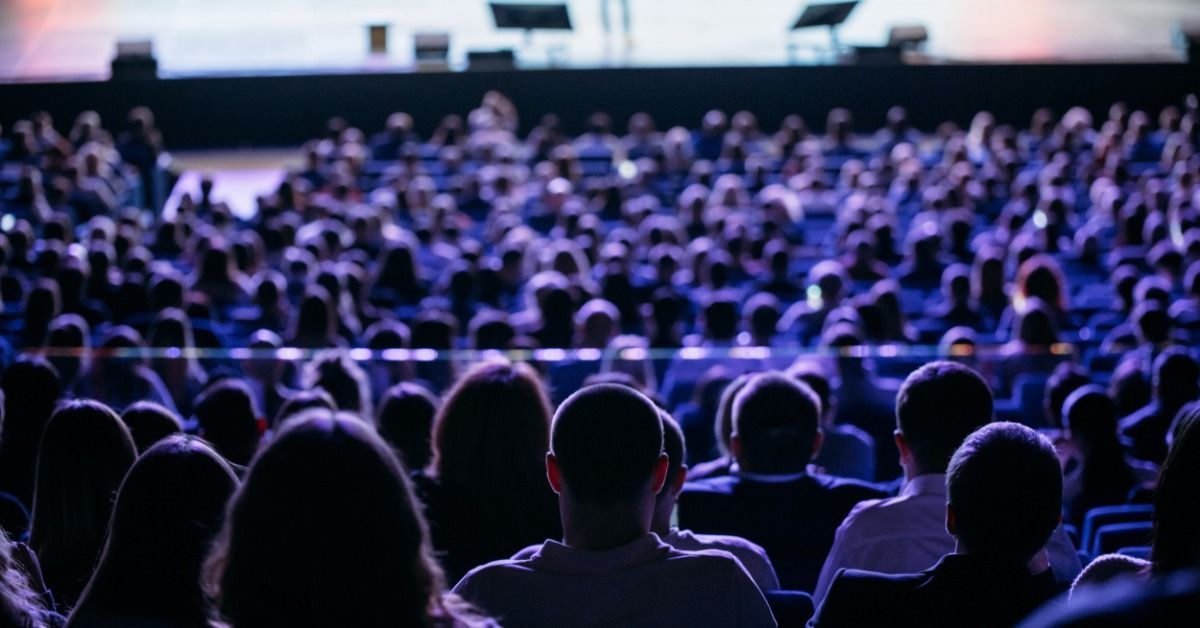
Make Speech Easy To Follow
People can’t get excited about your product if they’re struggling to understand the person introducing it. Clear speech keeps your message sharp and makes your presenters sound more confident. Additionally, clean audio helps guests stay engaged during welcomes, demos, and Q&A.
When voices sound natural and balanced across the room, it’s easier for people to trust your presentation. Live sound production covers the microphone setup, speaker placement, soundcheck, and real-time mixing so that each word comes through clearly. When presenters adjust their volume or move around the stage, the audio team responds to keep the speech easy to follow. They also tune the system to the room to prevent muddy sound, echo, or feedback.
Balance Music and Speech
Music, stingers, and other audio cues should add energy without covering up the presenter. That means controlling playback levels and timing them carefully around speaking moments. The right balance makes the event more dynamic and keeps the message clear.
Light the Product
Your product should look like the star of the room, and guests shouldn’t have to guess where to look when the reveal happens. Strong product lighting relies more on contrast, positioning, and restraint than on making everything brighter.
Use Contrast Intentionally
Contrast helps the product stand out from the surrounding stage. A brighter product area against a calmer background guides the viewer’s attention. You can create that contrast by lowering background light, narrowing the focus on the product, or using color shifts that separate the reveal from the rest of the stage.
Choose the Right Lighting Angles
Lighting angle changes how the product’s shape, texture, and finish appear to the audience. Good angles define key features, while poor angles can create glare, flatten details, or make the product harder to see. Testing angles in advance helps you catch reflections or shadows that look distracting.
Hold Back On Brightness
Controlled lighting creates a cleaner, more premium look by highlighting the product without washing it out. A more restrained look also gives you room to build intensity when you need it.
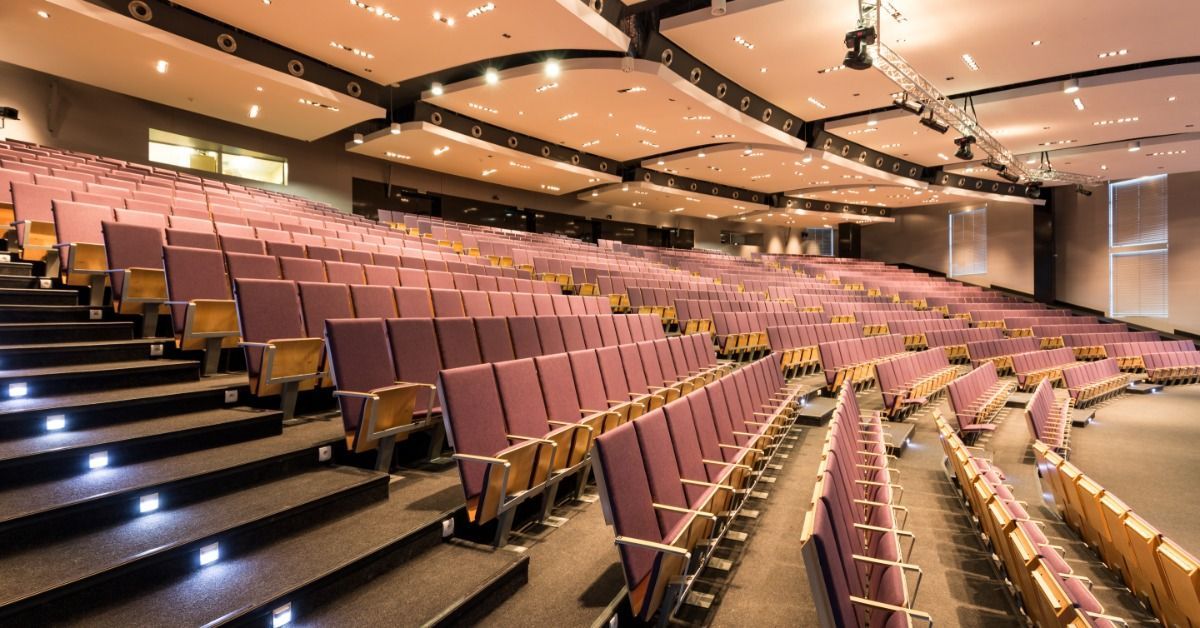
Match Sound to Room Features
The room’s dimensions and materials change how your launch sounds. A compact space may need careful level control and precise speaker placement, while a larger venue may need wider coverage and delay support.
A custom audiovisual plan starts with a close look at these details:
- Ceiling height, which impacts how sound reflects through the space.
- Wall surfaces, since hard materials like glass and concrete can make speech harder to follow.
- Audience layout, which guides decisions for even coverage throughout the room.
- Stage placement, because it affects where presenters stand and viewing angles.
- Camera locations, so the event looks and sounds cohesive in person and on screen.
Balance In-Person and Streamed Audio
Many launches now have two audiences to think about: the guests in the room and the viewers joining remotely. Because of that, your audio plan needs to do more than sound good in person. A mix that feels full and exciting in the venue may need different treatment for a livestream or recording.
Room sound, presenter microphones, playback, video feeds, and recording all need to work together. Professional coordination makes that possible. The right setup and real-time adjustments create the best experience for in-person and remote guests.
Test Every Transition
Transitions are where launches tend to lose momentum. A delayed video, an awkward mic handoff, or a mistimed light cue can break the flow even when the rest of the event looks strong. That is why teams should walk through every transition in the correct sequence rather than testing each piece in isolation. Every shift should feel like a natural next step instead of a reset.
To make transitions smooth and natural:
- Review speaker entrances to give each person a confident, well-timed start.
- Practice microphone handoffs to avoid awkward pauses.
- Check video and playback cues for precise starts.
- Run the product reveal timing to coordinate light, sound, and movement.
- Plan Q&A flow so audience participation feels organized instead of messy.
Your event should be as strong and refined as the product you are introducing. With the right lighting and sound, every reveal, presentation, and transition feels more focused and impressive. Expert technical support makes it easier for you to capture the audience’s attention and leave a lasting impression. Make the most of this opportunity to guide your audience to the next step.